Key Takeaways
- The Height Gender Converter is a free browser tool on statresearch.jp, published by SKY enjoy, that shows what your height would be at the same relative position in the other sex's distribution.
- You enter height in centimeters, age and a comparison sex; the tool uses the average and the spread of heights for that age group to match your deviation score.
- It is not a flat 13-centimeter conversion, because results shift with age and with how far you sit from the average, and at ages 10 and 11 the direction can reverse.
- Use it for fun and for comparing results on equal terms; it is not a growth prediction, a health check or a scientific assessment of any kind.
Quick Facts
| Type | Free browser-based statistical converter |
|---|---|
| Devices | Smartphones and desktop browsers |
| Price | Free |
| Languages | Japanese-oriented interface; check official site |
| Highlight | Matches your height deviation score across groups |
| Learning curve | Very easy; three inputs and one button |
| Category | Entertainment |
| Creator | SKY enjoy |
| Official site | statresearch.jp ↗ |
| Heat | 🔥 68.5K Heat |
| Last updated |
What the Height Gender Converter Actually Calculates
The Height Gender Converter is a free web tool from the Japanese statistical research site StatResearch.jp, published by SKY enjoy and announced on October 20, 2026. You enter your height in centimeters, your age and your statistical sex, then press calculate. The tool returns the height that would place you at the same relative position, the same height deviation score, inside the other group. It runs in any browser, needs no account, and has been recently trending because results are quick to compare with friends.
It is worth being clear about what this is not. The converter is not a personality quiz, not a medical assessment and not a forecast of your future body. Its numbers come from Japanese height distribution data: the page credits the 2014 fiscal-year physical fitness and motor ability survey for the calculation data, and the 2015 fiscal-year school health statistics survey for the distribution charts used in its explanations. Those are published statistics, not a live measurement of everyone's height today.
The appeal is simple curiosity. The creator's own example reads: if you were a woman, your height would be 164.6 centimeters. That single sentence is the whole experience, a familiar number turned slightly sideways. Because the answer depends on age and on how far you sit from the average, two friends of the same height can get different results, which is exactly what makes comparing them interesting. Treat it as entertainment and as a gentle introduction to how deviation scores work.
- Three inputs, one output
Height in centimeters, age in years and the sex you want to be compared as. Height and age are listed as required fields.
- Free and browser-based
There is no installation and no account, and it loads on smartphones and desktop browsers alike.
- Grounded in Japanese data
Results reflect Japanese height distributions by age, so they describe that population rather than a global one.
- For fun, not for health
The output is a statistical comparison, never a growth prediction or a health check.
How the Converter Turns Your Height Into the Other Group's Height
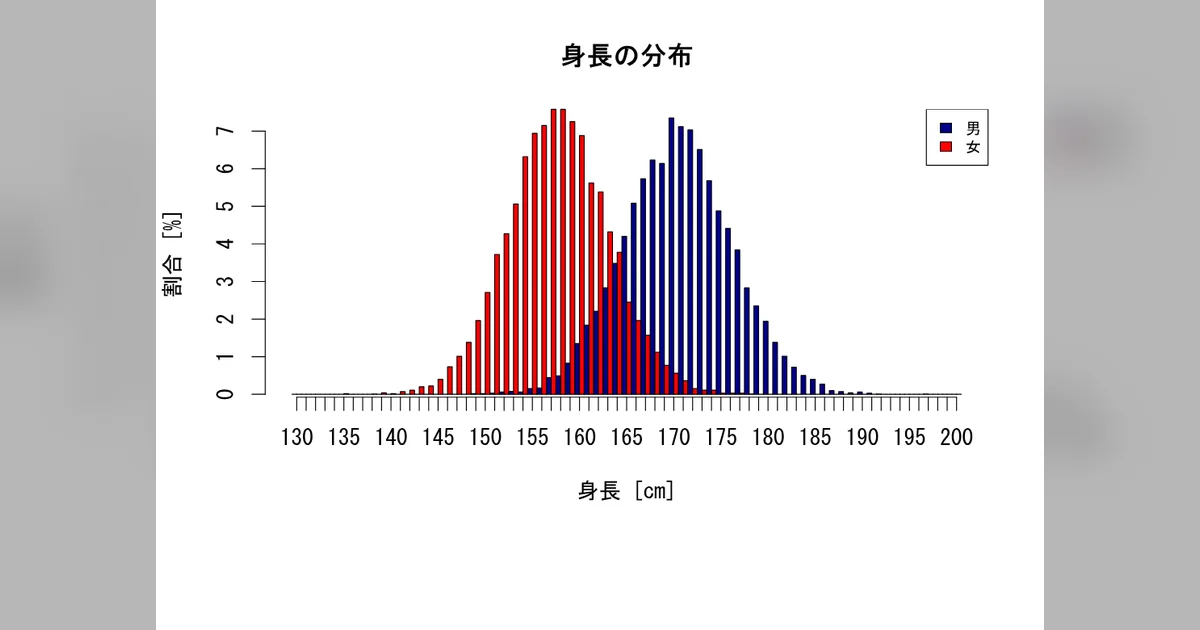
The engine behind the result is the deviation score, often called hensachi in Japan. First the tool looks up the average height and the spread, the standard deviation, for your age and sex group. It measures how far your height sits from that average in units of spread, which is your deviation score. Then it finds the height in the other group that carries the same deviation score. Same relative position, different distribution.
That is why the tool does not simply add or subtract 13 centimeters. If the two groups had identical spreads, a flat offset would work fine. They do not, and the gap between your height and the converted height changes depending on how far you are from the average. Someone close to average and someone unusually tall or short will not see the same difference, even at the same age.
Age matters just as much. Height distributions differ by age, and the official explanation notes that at ages 10 and 11 the average height of girls is greater than that of boys, so changing the age can even reverse the direction of the conversion. Applying adult intuition to a primary-school calculation is a mistake. The page also displays your own group's average, the other group's average and an explanation of the deviation score alongside the headline number.
- Mean and spread together
The calculation uses both the average height and the standard deviation for your age and sex, not the average alone.
- Same deviation score
Your result is the height in the other group that matches your deviation score, so your relative standing is preserved.
- Worked examples from the page
A 25-year-old man at 180 cm maps to roughly 166 cm, while a 25-year-old woman at 150 cm maps to roughly 162 cm.
- Age-specific distributions
Because every age has its own average and spread, the same height can convert differently at 11 and at 40.
Getting a Clean Result and Sharing It Sensibly
Accuracy starts with honest inputs. Use your measured height rather than a rounded guess, and your current age, since the tool looks up a distribution for that specific age. If you want to compare results with friends, agree on the same conditions first: the same age, the same starting sex and the same rounding. A screenshot without those details tells you very little, because the number only means something relative to the group it was calculated from.
Read the whole output, not just the headline figure. The page also shows the average height for your group, the average for the other group and an explanation of the deviation score, which together tell you whether your result sits near the middle or out toward one end. That context is what turns a bare number into something you can actually interpret, and it is the part most people skip when they pass a result along.
When you share a result, carry the meaning with it. Say which age and which sex you entered, and describe the number as the height that would give you the same relative position, not as a claim about anyone's body. It is fine to enjoy the surprise of the figure; it is not fine to use it to rank people or to imply anything about their health, attractiveness or potential.
- Match conditions before comparing
Same age, same input sex, same rounding. Otherwise two results are not really comparable.
- Look past the headline number
The averages and the deviation-score explanation on the page tell you where your result sits in the distribution.
- Share the context, not just the figure
Include age and input sex so the number is not read as a prediction or a judgment.
- Keep it light
The tool is entertainment built on published statistics, and it works best when used that way.
How It Stacks Up Against Other Height Tools and Quizzes
The closest comparison is the folk rule of adding or subtracting 13 centimeters. That shortcut uses only the average difference, so it ignores the spread and produces the same gap for everyone. The converter instead works from distributions, which is why its answers shift with age and with distance from the average. It is a more careful calculation, though it is still a statistical exercise rather than a measurement of any individual.
Growth-curve calculators are a different animal. Those tools estimate how tall a child may eventually become, using growth references and often parental heights, and they belong in conversations with a pediatrician. The Height Gender Converter does none of that: it answers a single question about relative position in a published distribution. Personality quizzes, meanwhile, are not comparable at all, because they score traits or preferences while this tool only moves a number between two statistical groups.
The main limitations are worth stating plainly. The underlying data are Japanese, so results describe that population rather than a global one, and the page itself notes the sources are published surveys rather than real-time measurements. The interface is aimed at Japanese readers, and the available notes do not confirm which other languages are supported, so check the official site, statresearch.jp, if that matters to you. It suits curious people, friends comparing results, and anyone learning what a deviation score means.
- Versus the 13 cm rule
The shortcut applies one flat offset, while this tool converts through distributions, so gaps vary by age and position.
- Versus growth predictors
Growth-curve tools estimate future adult height; this one only maps relative position and is not a prediction.
- Versus personality quizzes
Trait quizzes score who you are, whereas this converter moves a measurement between two statistical groups.
- Where it stops
Japanese data, published surveys, no health judgment, and language support to verify on the official site.
Step-by-Step Guide
Open the tool in your browser
Go to the official site, statresearch.jp, on a phone or a computer. The tool is free and needs no account or download, so you can start straight away. Give the page a moment to load if your mobile connection is slow.
Enter your height in centimeters
Type your measured height rather than a rounded figure, since small differences can shift your position in the distribution. The field is listed as required. If you only know your height in feet and inches, convert it to centimeters first.
Add your age and choose the comparison sex
Enter your current age in years, because the tool looks up a distribution for that specific age and an outdated figure gives a slightly different answer. Then select the statistical sex you want to be converted into. Both fields feed directly into the calculation.
Press calculate and read the full result
The headline number is your converted height, but the page also shows the average height for your group, the average for the other group and an explanation of the deviation score. Read those together before deciding what the number means.
Compare with friends on equal terms
If you want a fair comparison, agree on the same age, the same input sex and the same rounding before anyone calculates. Note those details when you pass a result along so it is not mistaken for a prediction or a health claim.
Frequently Asked Questions
Is the Height Gender Converter free, and do I need to install anything?
It is free and runs directly in a web browser on statresearch.jp, including on smartphones, so there is no app to download and no account to create. Because it is a browser tool, you can open it on a phone, tablet or desktop and get the same calculation. Check the official site for any changes to availability.
Why isn't the result just my height minus or plus 13 centimeters?
A flat 13-centimeter offset only uses the average difference between the two groups. The converter also uses the spread of heights, so it finds the height that gives you the same deviation score in the other group. That means the gap between your height and the converted height varies depending on how far you sit from average.
Why does changing my age change the answer?
Height distributions differ by age, and each one has its own average and spread. The official explanation notes that at ages 10 and 11 girls' average height is greater than boys', so the direction of the conversion can flip during the growth years. Entering your current age keeps the comparison meaningful.
Can it predict my child's adult height or tell me whether I'm healthy?
No. The tool calculates the height that would put you at the same statistical position in the other group; it is not a growth forecast and not a health assessment. If you have concerns about growth or health, talk to a qualified professional rather than relying on a browser tool. Treat the result as a statistical comparison for fun.
Does it work outside Japan or in other languages?
The calculation is based on Japanese height distribution data, so results describe that population rather than a global one. The interface is aimed at Japanese readers, and the available notes do not confirm which other languages are supported. Check the official site, statresearch.jp, for the current language options before you rely on it.