Key Takeaways
- TKG Do is a free browser game about making the ultimate tamago kake gohan, created by independent Japanese developer N.K.
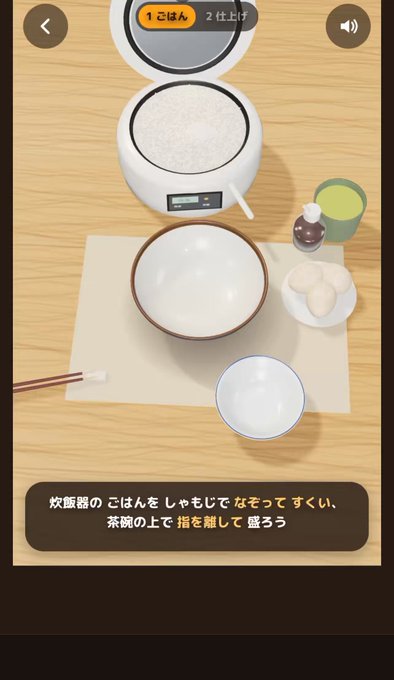
- You scoop rice from a rice cooker, shape it in a bowl, and adjust ingredients by sight and sound rather than on-screen meters.
- Rice cools over time, so pacing and quick decisions affect the final score and the recipe book entry you unlock.
- No public build or official page has been published yet; the creator has only shown a short preview, so check the official site for updates.
Quick Facts
| Type | Browser-based cooking game |
|---|---|
| Devices | Desktop and mobile browsers |
| Price | Free to play (check official site) |
| Languages | Japanese; other languages unconfirmed |
| Highlight | Adjust by sight and sound; rice cools over time |
| Learning curve | Easy to start, nuanced to master |
| Category | Browser Games |
| Creator | たけちか.NK |
| Heat | 🔥 283.4K Heat |
| Last updated |
What TKG Do Is and Why It Stands Out
TKG Do is a free browser game built around tamago kake gohan, the simple Japanese dish of raw egg stirred into hot rice. It was created by independent developer N.K. and announced in October 2026. The premise is deliberately narrow: you are not running a restaurant or juggling dozens of recipes. Instead, you focus entirely on one bowl, trying to make the ultimate version. That focus is part of its charm, because every small decision feels meaningful.
What makes TKG Do unusual is how it communicates feedback. Most cooking games show meters or timers, but this one asks you to judge by sight and sound. You watch the rice, listen for cues, and feel your way toward the right consistency. Rice also cools over time, which adds gentle pressure without a visible countdown. The result is a more tactile, intuitive experience than the typical casual cooking game, and it rewards attention over rapid tapping.
The game recently gained attention for its quirky concept and shareable results. Players post screenshots of their finished bowls and compare scores, and the in-game recipe book records what they have discovered. Because the dish is so familiar in Japan, the game taps into a shared cultural reference while still feeling fresh. Even people who have never made tamago kake gohan can enjoy the challenge of building a better bowl.
- One dish, many variables
Egg count, seasoning, rice temperature and shaping all affect the outcome, so small changes lead to noticeably different bowls.
- No meters, just senses
You rely on visual and audio cues instead of gauges, which makes each attempt feel like real cooking rather than a minigame.
- Recipe book discovery
Successful combinations are recorded in an in-game recipe book, giving you a reason to experiment beyond a single high score.
Core Mechanics: Rice, Egg, Seasoning and Time
A round begins with rice. You scoop rice from a rice cooker into a bowl, then shape it with a paddle or press a hollow into the center. That hollow matters because it holds the egg and affects how the yolk sits. The game does not rush you here, but the rice is already cooling, so you cannot linger indefinitely. Getting the base right sets up everything that follows.
Next comes the egg and seasoning. You decide how many eggs to use and which seasonings to add, and the order and timing of those choices influence the final result. Because the game avoids explicit meters, you have to read the bowl itself: the gloss of the rice, the sound of mixing, the way the yolk coats the grains. This is where the sight-and-sound design really shines, and where careful observation separates a good bowl from a great one.
Scoring rewards balance and technique rather than sheer speed. A bowl that looks and sounds right tends to score well, and the recipe book records the combination you used. Rice cooling over time means a perfectly timed finish can beat a rushed one, even if both use the same ingredients. The exact scoring formula has not been detailed publicly, so treat your first sessions as experiments and note what changes your score.
- Shape the rice first
Use the paddle to form a hollow for the egg; a well-shaped base makes the yolk sit properly and mix evenly.
- Watch and listen
Instead of watching a meter, pay attention to the visual gloss and the sound of mixing to judge when the bowl is ready.
- Respect the cooling rice
Rice loses heat over time, so plan your egg and seasoning steps to finish while the bowl is still at its best.
How to Approach Each Bowl: A Practical Workflow
Start simple. For your first few bowls, change only one variable at a time, such as the number of eggs or a single seasoning. Compare the result and the recipe book entry before trying something new. This controlled approach helps you learn how each element affects the score without overwhelming yourself. It also mirrors how you would actually refine a dish in a real kitchen.
Once you understand the basics, begin layering changes. Try a different shaping technique, then adjust seasoning, then experiment with timing. Because rice cools over time, you may find that a slightly warmer bowl handles certain seasonings better. Keep notes mentally or compare recipe book entries to spot patterns. The game rewards curiosity, but it rewards structured curiosity even more.
Finally, treat sharing as part of the fun. Screenshots of finished bowls are a natural way to compare results and see what others have discovered. If you are stuck, look at the recipe book for combinations you have not tried. Remember that no public build is available yet, so this workflow is preparation for when the game opens. Check the official site for the latest availability.
- Change one thing at a time
Isolate variables like egg count or a single seasoning to learn their effects before combining them.
- Use the recipe book as a map
Review recorded combinations to find gaps and plan your next experiment instead of guessing randomly.
- Compare with other players
Sharing screenshots and scores can reveal techniques you might not have considered, especially around timing.
How TKG Do Compares and Who It Suits
TKG Do sits in a growing niche of browser games that turn everyday tasks into focused challenges. Unlike restaurant-management games that pile on multitasking, it keeps the scope tight and asks you to master a single dish. That makes it closer to a puzzle game than a simulation. Fans of quick, thoughtful browser experiences will likely appreciate the minimalist design and the emphasis on sensory feedback.
The game also stands out for its cultural specificity. Tamago kake gohan is a staple in Japan, and the game treats it with affection rather than irony. Players unfamiliar with the dish may need a moment to understand the goal, but the mechanics are intuitive enough to pick up quickly. The lack of meters might frustrate players who prefer clear targets, while others will enjoy the more organic challenge.
As of now, TKG Do has only been shown in a short preview, and no public build or official page has been published. That means you cannot play it yet. The creator, N.K., has not announced a release date or platform details beyond the browser format. For the latest information, check the official site. In the meantime, you can explore similar cooking games or practice the real dish at home.
- Focused vs. frantic
TKG Do favors deliberate, sensory cooking over time-management chaos, making it a calmer alternative to many casual cooking games.
- Cultural flavor
The game celebrates a familiar Japanese dish, which gives it a warm, specific identity that generic cooking games often lack.
- Not yet playable
No public build exists, so treat any release details as unconfirmed and verify on the official site.
Step-by-Step Guide
Scoop and shape the rice
Begin by scooping rice from the rice cooker into a bowl. Use the paddle to shape it and press a hollow in the center for the egg.
Add the egg
Crack one or more eggs into the hollow. The number of eggs is one of the key variables, so start with a single egg to learn the baseline.
Season and mix
Add seasonings of your choice and mix. Pay attention to the sight and sound of the mixture rather than looking for a meter.
Finish before the rice cools
Rice cools over time, so aim to complete your bowl while it is still warm. Timing affects the final score and the recipe book entry.
Review and share
Check your score and the recipe book to see what you discovered. Share a screenshot of your bowl to compare with other players.
Frequently Asked Questions
Is TKG Do free to play?
TKG Do is described as a free browser game, so you should not need to pay to play it. However, no public build has been released yet, so pricing and any potential in-game purchases are unconfirmed. Check the official site for the most accurate information once the game launches.
What devices can I play TKG Do on?
TKG Do is designed to run in a web browser, and early notes indicate it works smoothly on both mobile phones and desktop browsers. Because it is browser-based, you likely will not need to download an app. For specific browser requirements, refer to the official site when it becomes available.
How does the scoring work in TKG Do?
The exact scoring formula has not been publicly detailed. Based on the game's design, scores appear to reward balance, technique, and timing, with rice cooling over time adding pressure. You will need to experiment with different combinations and observe how your score changes. The in-game recipe book may offer clues about what works.
Is TKG Do available in English?
The game was announced in Japanese, and its supported languages have not been confirmed. It is possible that an English version will be available, but you should check the official site for language options. The visual and audio-based mechanics may make it accessible even without a full translation.
When will TKG Do be released?
No release date has been announced. The creator, N.K., has only shown a short preview so far, and there is no public build or official page yet. To stay informed, keep an eye on the official site for any updates about availability.