Key Takeaways
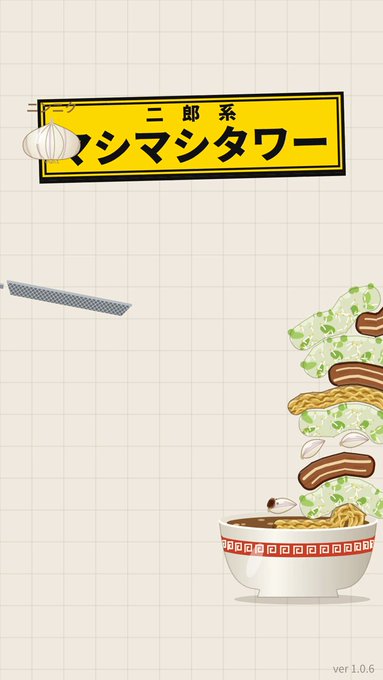
- Jiro Ramen Tower Game is a free browser game by su10 where you use a slotted ladle to launch toppings into a bowl and stack them into a tower.
- The goal is simple: build the tallest, most absurd pile of bean sprouts, garlic, and chashu without knocking everything over.
- Every run generates a long, automatically written order name that you can copy and share as a punchline.
- No dedicated page exists yet; check the creator's official site at game.su10.dev for the latest release status.
Quick Facts
| Type | Browser-based physics stacking game |
|---|---|
| Devices | Desktop and mobile browsers |
| Price | Free (check official site) |
| Languages | Japanese (check official site for others) |
| Highlight | Auto-generated absurd order names |
| Learning curve | Easy to start, tricky to master |
| Category | Browser Games |
| Creator | su10|100億ダーツ |
| Official site | game.su10.dev ↗ |
| Heat | 🔥 136.3K Heat |
| Last updated |
What Is the Jiro Ramen Tower Game?
The Jiro Ramen Tower Game is a casual browser game created by su10, the developer behind the 100 Billion Darts game. It was announced on October 13, 2026, and is inspired by the real-world ritual of ordering Jiro-style ramen, a cult Japanese dish known for bowls buried under a mountain of toppings. In the game, you do not simply place toppings by hand; you use a slotted ladle to flick them into the bowl, turning every launch into a small physics gamble.
Jiro-style ramen itself is a long-running joke in Japan. Regulars shout 'mashimashi' to ask for an extra-extra portion of garlic, bean sprouts, and back fat, and the resulting bowl often looks less like a meal and more like a structural challenge. The game exaggerates exactly that: the ridiculous height of the toppings and the ritual of the order. Your goal is to keep building upward until an ordinary bowl of ramen becomes a wobbling tower.
What makes it stick is the share text. After each run, the game automatically generates a super-long, made-up order name that reads like a real Jiro order taken to absurd extremes. Even people who have never played can laugh at the result, which is why the game travels well across social feeds and chat groups. It is a tiny, self-contained joke that you can play in a minute and share in two.
- Physics-based topping launches
Instead of dragging and dropping, you scoop and flick with a slotted ladle. Each topping flies with its own weight and bounce, so stacking is a matter of timing and angle.
- Mashimashi culture, exaggerated
The game leans into the real Jiro tradition of calling out for extra toppings. The more you stack, the more the bowl resembles the legendary 'mashimashi' orders that regulars brag about.
- Auto-generated order names
Every run ends with a long, ridiculous order name that you can copy and share. It is the game's main punchline and the reason clips spread quickly.
- No dedicated page yet
As of the announcement, there is no standalone page for this title. Check the creator's official site at game.su10.dev for updates on when and where it will be playable.
How the Ladle-Flicking and Stacking Actually Work
The core loop is simple: a bowl sits at the bottom of the screen, and toppings like bean sprouts, garlic, chashu, and cabbage appear nearby. You control a slotted ladle, scoop up a topping, and flick it toward the bowl. The topping follows a physics arc, influenced by the angle and power of your flick. If it lands cleanly on the pile, the tower grows; if it knocks other toppings off, you lose height and may have to rebuild.
Unlike precision stacking games where you place blocks one by one, the ladle introduces a layer of chaos. The slotted ladle can hold multiple pieces at once, so a single flick might send a small shower of bean sprouts into the air. That can be a blessing or a disaster: a well-aimed scoop adds several toppings at once, while a wild fling scatters them across the table. Learning to control the ladle's scoop and release timing is the main skill.
There is no strict time limit mentioned in the announcement, but the challenge comes from the tower's instability. The higher you go, the more likely a new topping will roll off or topple the whole structure. The game does not appear to have complex win conditions; the goal is to build as high as you can before the tower collapses or you decide to stop. Your final height and the generated order name are the rewards.
The game runs entirely in a browser, so it works on desktop and mobile devices without any download. That makes it easy to pick up for a quick session. Because it is physics-based, performance may vary slightly depending on your device, but the simple visuals suggest it should run smoothly on most modern phones and computers.
- Scoop and release timing
The ladle's scoop determines how many toppings you pick up, and the release moment determines their trajectory. Practice short, controlled flicks for accuracy.
- Aim for the center of the pile
Toppings that land near the center are less likely to roll off. Aim slightly above the current peak so the topping drops straight down onto the stack.
- Use the ladle's slots to your advantage
The slots let excess broth or small pieces fall through, so you can carry more solid toppings. A full scoop can add several pieces in one go if you release at the right time.
- Watch for wobbles
If the tower starts to lean, a single poorly placed topping can bring it down. Sometimes it is better to pause and let the pile settle before adding more.
Tips, Tricks, and How to Chase a Taller Tower
The most important tip is to start slow. Beginners often try to fling toppings as fast as possible, but that leads to messy piles and frequent collapses. Instead, take a moment to line up each flick. Aim for the highest point of the existing pile and use just enough power to reach it. A gentle arc is easier to control than a flat, fast throw.
Another key is to build a wide base. If you stack everything into a narrow column, it will topple quickly. Spread the first few layers across the bowl to create a stable foundation. Toppings like chashu and cabbage are heavier and can serve as anchors, while bean sprouts are light and can fill gaps. Mixing different toppings can help you build a more balanced tower.
As you get higher, you will need to adjust your aim for the tower's lean. If the pile is tilting to the left, aim slightly to the right to compensate. You can also use the ladle itself to nudge the tower back into balance if a topping lands awkwardly, though this is risky. The game's physics are forgiving enough that small corrections are possible, but a major collapse is usually final.
Finally, do not ignore the generated order name. It is not just a joke; it can also give you a rough idea of how impressive your tower was. A longer, more ridiculous name usually means you stacked more toppings. Sharing that name is part of the fun, so experiment with different topping combinations to see what absurd orders you can create.
- Build a wide base first
Spread your initial toppings across the bowl rather than piling them in one spot. A broad foundation makes the upper layers more stable.
- Use heavy toppings as anchors
Chashu and cabbage are heavier and less likely to roll. Place them at key points to hold lighter bean sprouts in place.
- Compensate for lean
If the tower leans, aim your next flick to the opposite side. Small adjustments can keep a tall tower alive longer.
- Share the order name
The auto-generated order name is the game's punchline. Copy it and share it with friends to compare whose tower produced the most ridiculous order.
How It Compares to Other Casual Browser Games
The Jiro Ramen Tower Game sits in the same family as other physics-based stacking games, like tower-building puzzles or food-stacking challenges. What sets it apart is the ladle mechanic and the cultural context. Most stacking games have you place objects directly, but here you launch them, adding a layer of unpredictability. That makes each run feel more like a mini-sport than a puzzle.
Compared to other browser games from the same creator, such as the darts game about chasing ten billion points, this one is more about humor and less about score chasing. The darts game focuses on precision and high scores, while the ramen tower is about the absurdity of the result. Both share a simple, pick-up-and-play design that works well in short bursts.
The game is also similar to other Japanese food-themed browser games that lean into exaggeration, like giant sushi or endless noodle challenges. But its specific reference to Jiro-style ramen and the 'mashimashi' culture gives it a niche appeal. If you enjoy Japanese food culture or just want a quick laugh, this game delivers. If you prefer deep strategy or long progression, it may feel too light.
One limitation is that there is no dedicated page for the game yet, so you cannot play it immediately unless the creator has released it elsewhere. The announcement mentions the creator's official site at game.su10.dev, which is the best place to check for updates. Until then, you can enjoy the concept and look forward to its release.
- More chaotic than typical stacking games
The ladle launch mechanic introduces randomness that you will not find in games where you place blocks directly. That chaos is part of the charm.
- Humor over high scores
Unlike score-chasing games, the main reward here is the ridiculous order name. It is designed to make you laugh, not to test your precision.
- Cultural niche appeal
Fans of Jiro-style ramen will recognize the mashimashi ritual. Others may enjoy the absurdity without knowing the reference.
- Availability check needed
No standalone page exists yet. Visit game.su10.dev to see if the game has been released or if there are other projects to try.
Step-by-Step Guide
Open the game in your browser
Since there is no dedicated page yet, start by checking the creator's official site at game.su10.dev. If the game is available, it will likely be playable directly in your browser without any download. Use a modern browser like Chrome, Safari, or Firefox on desktop or mobile.
Learn the ladle controls
Once the game loads, you will see a bowl and a slotted ladle. Use your mouse or finger to move the ladle and scoop up toppings. A click or tap will flick the toppings toward the bowl. Practice a few gentle flicks to get a feel for the physics.
Start stacking from the bottom
Begin by flicking a few toppings into the bowl to create a base layer. Aim for the center and use light power. Do not rush; a stable base is crucial for a tall tower. If a topping falls off, simply try again.
Build upward and adjust for lean
As your tower grows, aim higher and adjust your angle to compensate for any lean. Use heavier toppings like chashu to anchor the pile. If the tower wobbles, pause and let it settle before adding more. Keep going until it collapses or you are satisfied.
Share your generated order name
When you finish, the game will generate a long, ridiculous order name based on your tower. Copy it and share it with friends or on social media to compare results. The more absurd the name, the better your tower likely was.
Frequently Asked Questions
Is the Jiro Ramen Tower Game free to play?
The game is expected to be free, as it is a browser-based casual game from an independent creator. However, since there is no dedicated page yet, pricing details are not confirmed. Check the official site at game.su10.dev for the most accurate information once it becomes available.
What devices can I play it on?
Because it runs in a browser, it should work on desktop computers, laptops, smartphones, and tablets. You do not need to download an app. For the best experience, use a device with a responsive touchscreen or mouse, as precise flicking is easier with direct input.
How do I get a higher tower?
Focus on building a wide, stable base first. Use gentle, controlled flicks and aim for the center of the pile. Mix heavy toppings like chashu with lighter bean sprouts to balance the structure. If the tower leans, adjust your aim to the opposite side. Patience is more important than speed.
What is 'mashimashi' in Jiro-style ramen?
Mashimashi is a Japanese term used at Jiro-style ramen shops to ask for an extra-extra large portion of toppings, especially garlic and bean sprouts. It is part of the cult ritual of ordering at these shops. The game exaggerates this by letting you stack an absurd mountain of toppings.
Is the game available now?
As of the announcement on October 13, 2026, there is no dedicated page for the game. It may not be publicly playable yet. The creator's official site at game.su10.dev is the best place to check for release updates and other games by the same developer.